How Far in Advance Should You Book Equipment Rental in Edmonton?

For most Edmonton projects, booking heavy equipment one to two weeks ahead is the right target during peak construction season. Outside of peak season, three to five days is usually enough. Same-day availability exists but depends on fleet and time of year.
The actual lead time you need comes down to three variables: the season, the machine type, and how long you need it. This guide breaks each of those down so you can plan your rental without losing days waiting on availability.
How Does Equipment Availability Work in Edmonton?
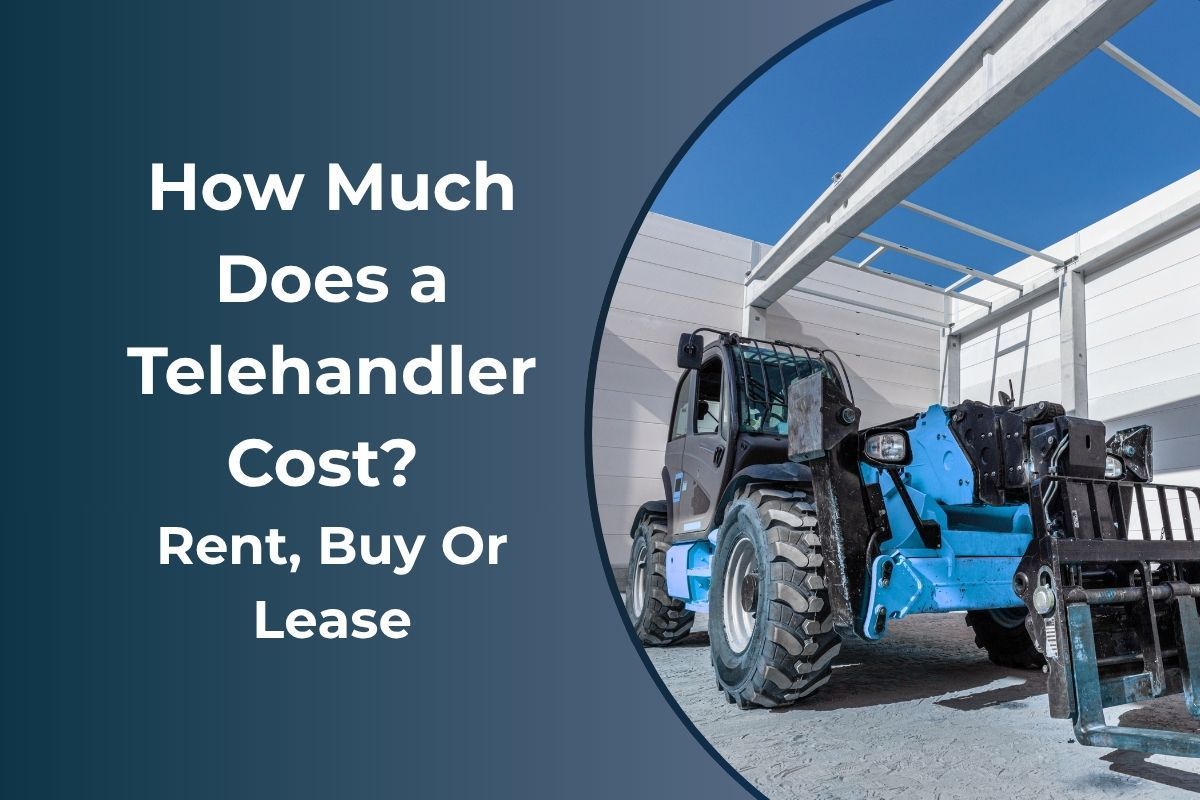
Availability follows Edmonton's construction calendar. From May through August, every contractor in the city is running simultaneously. Telehandlers are in demand during structure and framing phases. Boom lifts follow during trade finishing. When those phases overlap, fleet availability tightens fast. Outside of peak season, lead times compress significantly.
The other factor is rental duration. A same-day request for a single day is easier to fill than a three-week booking on short notice. Longer terms take machines out of rotation, so they require more lead time to coordinate.
Booking Lead Times by Season
| Season | Recommended Lead Time | Notes |
|---|---|---|
| Peak (May to August) | 1-2 weeks | Highest demand. Book early for multi-week terms. |
| Spring shoulder (April) | 3-7 days | Sites spinning up. Telehandler demand rises first. |
| Fall shoulder (September) | 2-5 days | Residential wrapping. Commercial still active. |
| Winter (November to March) | 24-48 hours | Highest availability. Same-day often possible. |
These are general ranges. A specific machine in high demand can be booked out even in slower months. If your project has a hard start date, don't assume availability will hold.
Why Peak Season Moves Fast
Edmonton's construction season is compressed by climate. Sites that are frozen or muddy through April activate within a short window in May when the ground firms up. Every GC, subcontractor, and owner-operator is calling for equipment in the same two to three week stretch.
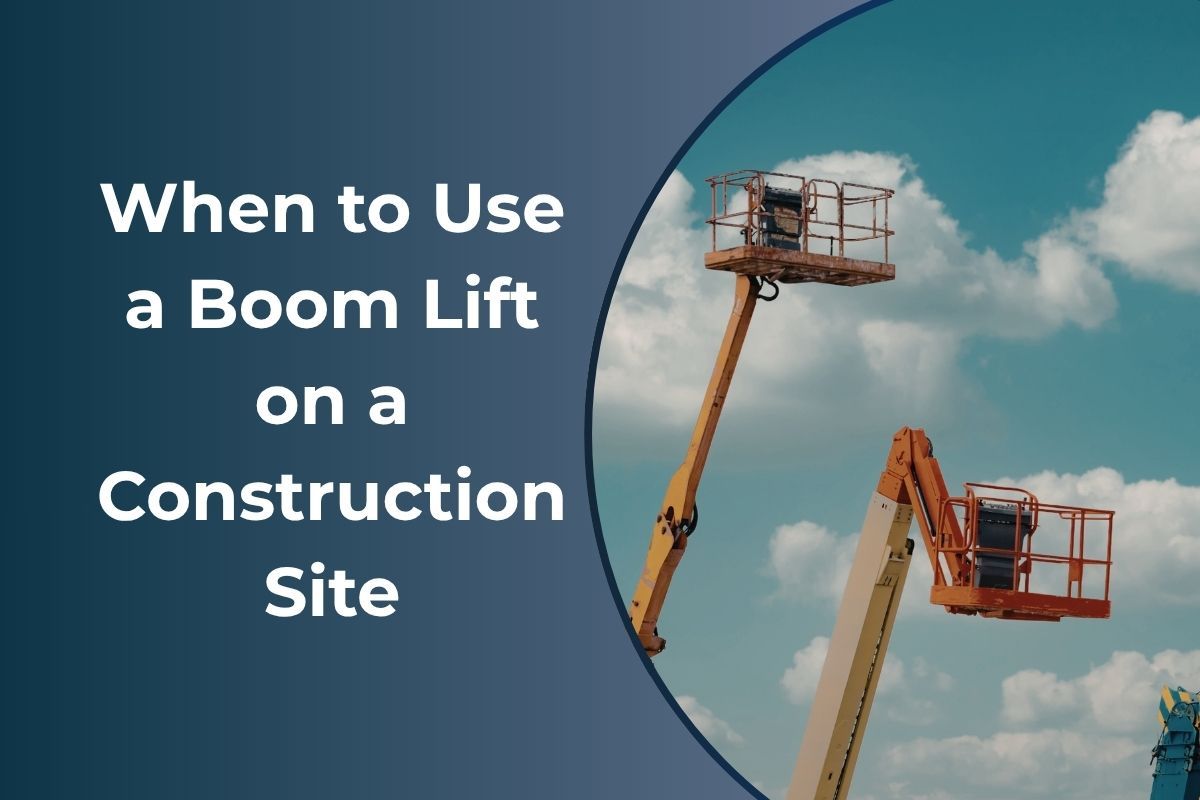
Telehandlers go first, typically during framing and structure phases. Boom lifts follow when mechanical, electrical, and exterior finishing trades take over. On larger commercial builds, both are running at the same time for different scopes.
If your project starts in May or June and requires equipment for longer than a week, book two weeks out at minimum. Waiting until the week before leaves you competing with every other site that started on the same schedule.
April and September: More Room, Not Full Room
April is a shoulder month but not a slow one. Spring startup drives telehandler demand early. Boom lift demand picks up as the first exterior finishing scopes begin. Three to seven days is usually workable in April, but a multi-week term still benefits from a longer runway.
September starts to open up as residential projects close out for the season. Commercial and industrial sites often run later into fall. You have more flexibility in September than peak, but it is not a month to assume same-day availability on anything beyond a single-day rental.
Winter Rentals: Availability Is High, Conditions Require Planning
November through March has the shortest lead times of the year. Fleet availability is highest and same-day or next-day bookings are realistic for most requests.
Cold weather does not affect availability. It does affect machine performance. Hydraulic systems are slower in extreme cold, and operators should account for warm-up time. Ground conditions from freeze-thaw cycles can affect stability on partially developed sites. The machine can be booked on short notice. The site still needs to be ready to receive it.
Project Milestones That Spike Demand
Certain phases drive concentrated demand regardless of season:
Steel erection and structural framing
These pull telehandler demand sharply. If your project is hitting this phase during peak season, lock in the machine before the phase starts, not when it starts.
Mechanical, electrical, and HVAC rough-in at height
These also drive boom lift demand. On commercial timelines, this often overlaps with exterior finishing, putting both machine types in demand simultaneously.
Roofing season and siding crews
Seasons for roofing and siding in Edmonton runs hard from May through September. Roofing and siding crews use both boom lifts for personnel access and telehandlers for material placement. If your site is running alongside active roofing or siding work in the area, regional availability tightens further.
What to Have Ready When You Call
Booking moves faster when you have this information ready:
- Machine type needed (boom lift or telehandler, and which model if you know)
- Delivery address and any site access details
- Start date and estimated rental duration
- Ground conditions, especially if the site is partially developed or has restricted access
Duration is the most important variable. Knowing whether you need the machine for two days or two weeks changes what's available and what term makes sense for cost. See Boom Lift Rental Rates and Telehandler Rental Rates for how term length affects your per-day cost.
Booking on Short Notice
Same-day delivery is available across Greater Edmonton when you call early in the day. It is not guaranteed. Fleet availability, current bookings, and delivery logistics all affect whether it's possible on a given day.
If you need equipment fast, two things help. Call in the morning rather than the afternoon. And if your timeline allows any flexibility on term length, say so. A contractor willing to book a week instead of two days is easier to fit into the schedule than one locked to a single day.
Leaving equipment rental to the last minute is one of the most common project planning mistakes. For more on what to get right at the booking stage, see Common Boom Lift Rental Mistakes.
To check availability for your project, see our Boom Lift Rentals and Telehandler Rentals pages, or call 780-699-9433 to discuss your timeline and what's available.
Mandel Rentals Resources