Telehandlers vs Forklifts: Which Is Right for Your Job?
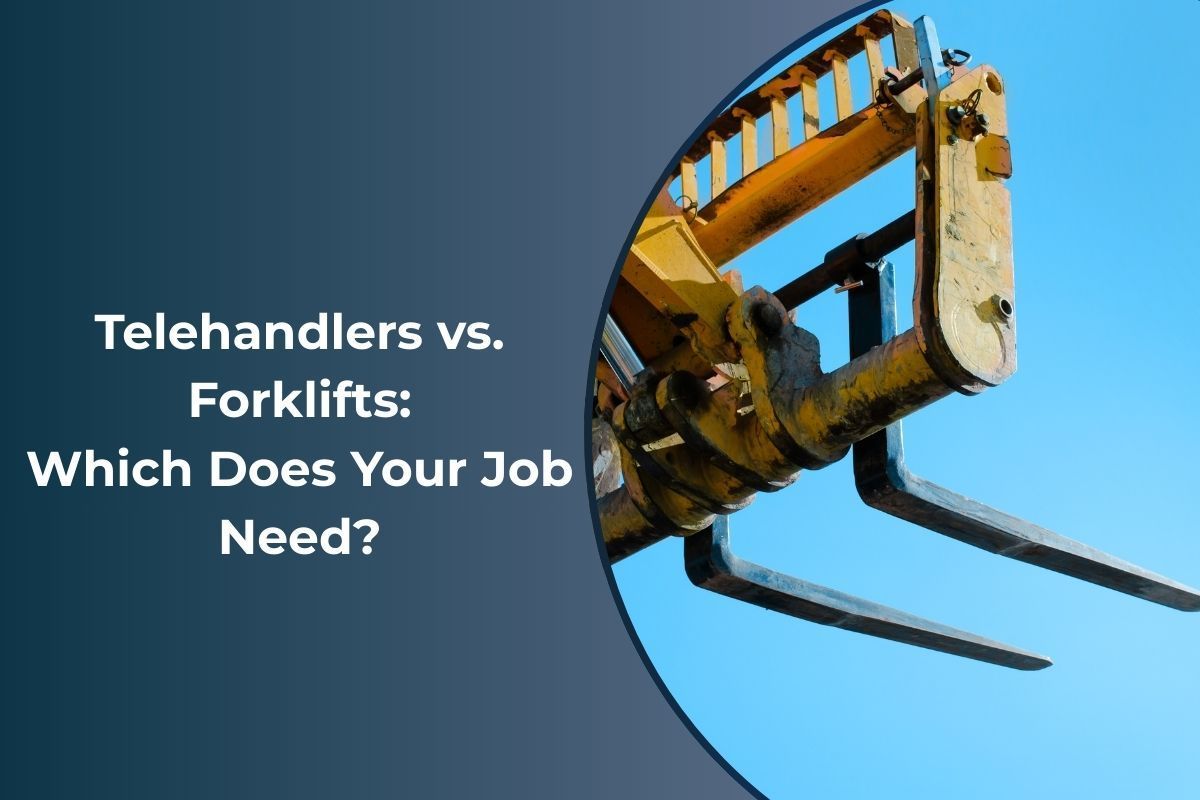
Telehandlers are best for outdoor job sites that require reach and uneven terrain, while forklifts are better suited for flat surfaces, warehouses, and short vertical lifts.
Choosing between the two depends on your ground conditions, lift height, and how materials need to be placed on site. Using the wrong machine can limit access, slow productivity, or create safety concerns.
This guide breaks down the key differences between telehandlers and forklifts so you can choose the right machine for your job without overpaying or slowing work down.
What Is a Telehandler?
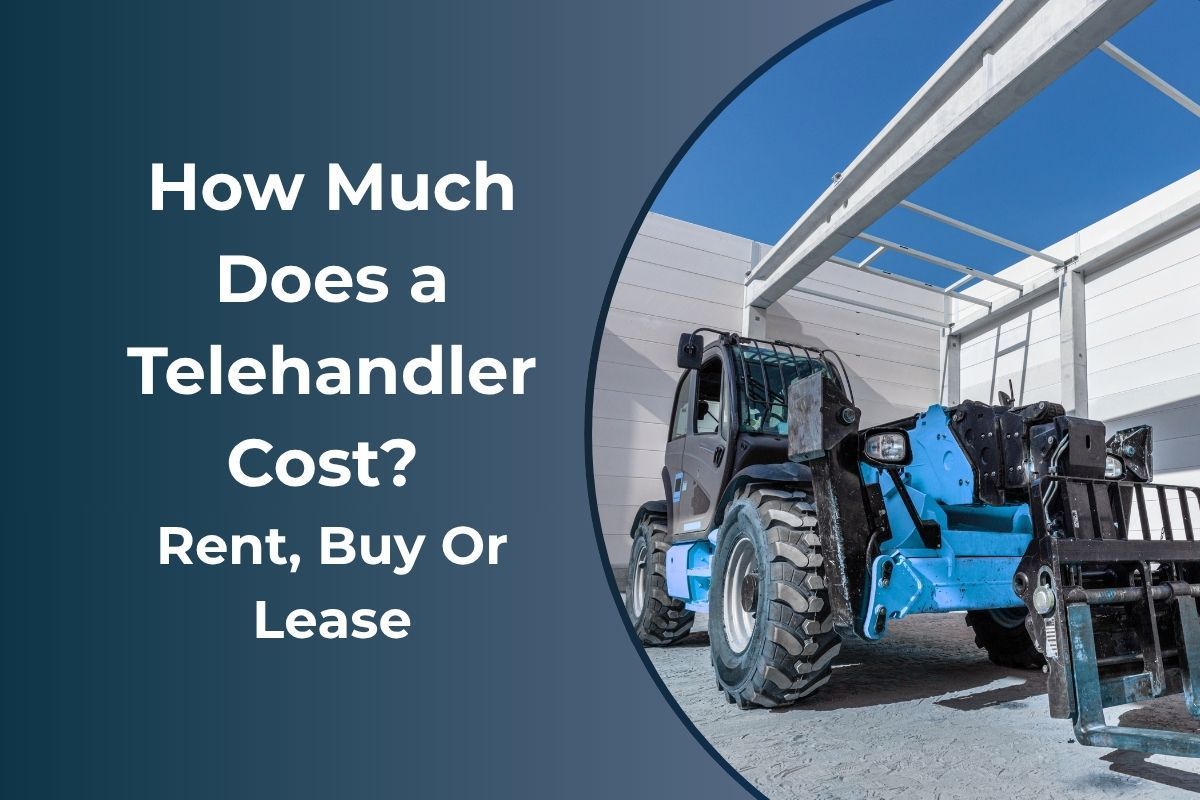
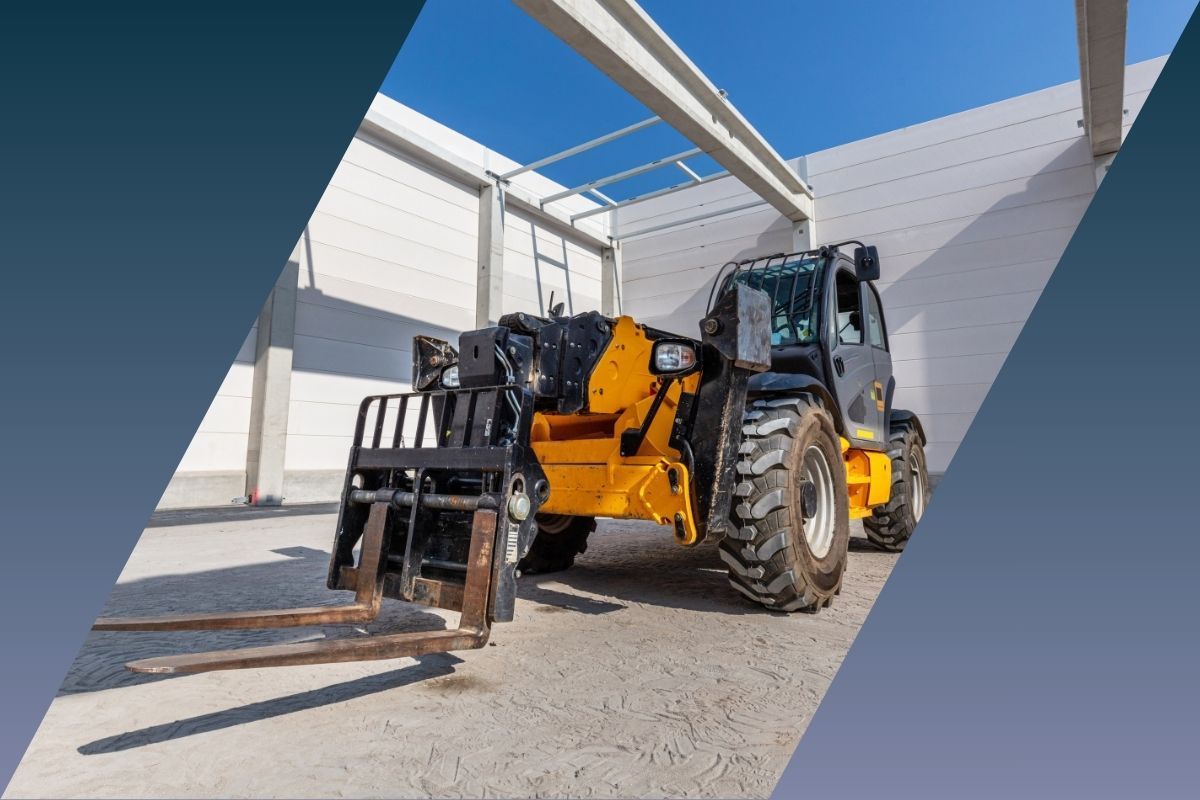
A telehandler, also known as a telescopic handler, is a rough-terrain material handling machine commonly used on construction and outdoor job sites. It features a telescoping boom that allows loads to be lifted both upward and forward, making it ideal for placing materials at height or across obstacles.
Telehandlers are typically used where uneven ground, elevation changes, and limited access are part of the job. Many models can also accept attachments such as forks, buckets, or lifting hooks, allowing the machine to support multiple tasks across different stages of a project.
What Is a Forklift?
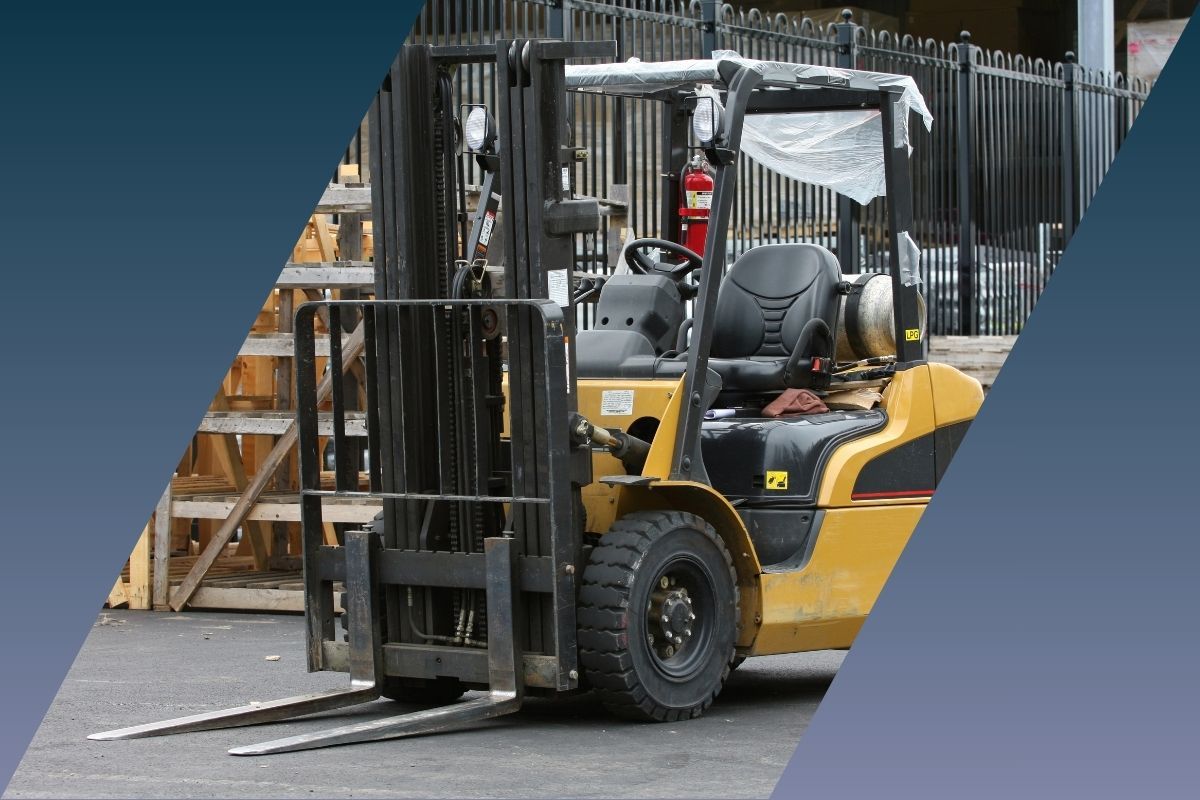
A forklift is a material handling machine designed primarily for flat, stable surfaces and controlled environments. It lifts loads straight up and down using front-mounted forks, making it well suited for repetitive material movement.
Forklifts are most commonly used in warehouses, loading docks, paved yards, and industrial facilities where maneuverability and efficiency matter more than reach. They excel at moving pallets short distances and operating in tight indoor or paved outdoor spaces.
Key Differences Between Telehandlers and Forklifts
While telehandlers and forklifts both move heavy materials, they are built for very different job site conditions. The table below highlights the key differences that most often determine which machine is the better fit.
| Feature | Telehandler | Forklift |
|---|---|---|
| Terrain | Rough and uneven ground | Flat, hard surfaces |
| Reach | Vertical and forward reach | Vertical lift only |
| Typical Job Sites | Construction, outdoor projects | Warehouses, yards |
| Lift Height | Higher with extended reach | Lower, straight up |
| Versatility | Multiple attachments | Material handling focused |
| Indoor Use | Limited | Excellent |
For most jobs, the deciding factors are how stable the ground is and how far materials need to be placed, rather than the machine’s size or cost. If materials need to be placed forward or at height on uneven terrain, a telehandler is usually the better choice. If lifting happens on flat surfaces with limited reach, a forklift is often more efficient.
When a Telehandler Is the Better Choice
A telehandler is typically the better choice when your job requires extended reach, lift height, or performance on uneven outdoor terrain.
Common use cases include:
- Framing and structural construction
- Lifting pallets to elevated decks or upper floors
- Working on uneven or unfinished ground
- Roofing, siding, and steel placement
- Projects where materials need to be placed forward, not just lifted vertically
On many Edmonton job sites, telehandlers are often used early in construction when surfaces are not yet paved and access is limited.
When a Forklift Makes More Sense
A forklift is usually the better option when the job site is flat, controlled, and space is limited.
Typical forklift applications include:
- Warehouse and indoor material handling
- Loading and unloading trucks on paved surfaces
- Moving pallets short distances efficiently
- Tight spaces where maneuverability is important
- Repetitive daily lifting tasks
If your work is primarily indoors or on finished surfaces, a forklift is often faster and more cost-effective than a telehandler.
Common Mistakes When Choosing Between Telehandlers and Forklifts
Many rental issues happen when the machine is chosen based on availability or price rather than actual job site conditions. These are some of the most common mistakes contractors run into.
Using a Forklift on Uneven Ground
Forklifts are designed for flat, stable surfaces. On uneven or unfinished ground, stability becomes a concern, which can limit safe lifting height and slow work. In some cases, this can also increase the risk of tipping or damaged materials.
Renting a Telehandler When Vertical Lifting Is All That’s Needed
Telehandlers offer reach and versatility, but they are not always necessary. If materials only need to be lifted straight up on a flat surface, a forklift can often complete the job more efficiently and at a lower cost.
Underestimating Forward Reach Requirements
Jobs that involve placing materials onto decks, scaffolding, or elevated areas often require forward reach, not just vertical lift height. If the machine cannot reach far enough, crews may need to constantly reposition equipment or rebook a different machine altogether.
Overlooking Access and Space Constraints
Tight access points, overhead obstructions, or limited turning space can affect which machine works best. Not accounting for these factors ahead of time can create challenges once equipment arrives on site.
Taking a few minutes to review terrain, reach, and access needs can help avoid delays, safety concerns, and unnecessary rental changes.
How to Decide Which Machine You Need
Choosing between a telehandler and a forklift becomes easier when you focus on how materials will actually be moved on your site.
Consider the Ground Conditions
If the ground is uneven, unfinished, or outdoors, a telehandler is usually the safer and more practical choice. Flat, paved surfaces typically favor forklifts.
Think About How Materials Need to Be Placed
If materials must be placed forward or at height, a telehandler’s reach becomes important. For straight vertical lifting and short moves, forklifts are often more efficient.
Factor in Indoor or Outdoor Use
Forklifts are ideal for indoor environments and controlled outdoor yards. Telehandlers are better suited for open, outdoor construction sites where terrain and elevation vary.
Evaluate Available Space
Tight spaces and frequent maneuvering often favor forklifts, while open job sites allow telehandlers to operate more effectively.
Looking at these factors together usually makes the right choice clear before booking.
Still Not Sure Which Is Right for Your Job?
If you are unsure whether a telehandler or forklift is the better fit, reviewing your job site conditions, load size, and lift height usually makes the decision much clearer. Small details like ground conditions or reach requirements often have the biggest impact.
If your project requires outdoor access, uneven terrain, or placing materials at height, a telehandler is often the right solution. You can learn more about available telehandler options or reach out to discuss your job requirements and timing.
Choosing the right machine helps keep work efficient, safe, and on schedule from day one.
Mandel Rentals Resources