When to Use a Telehandler on a Construction Site in Edmonton
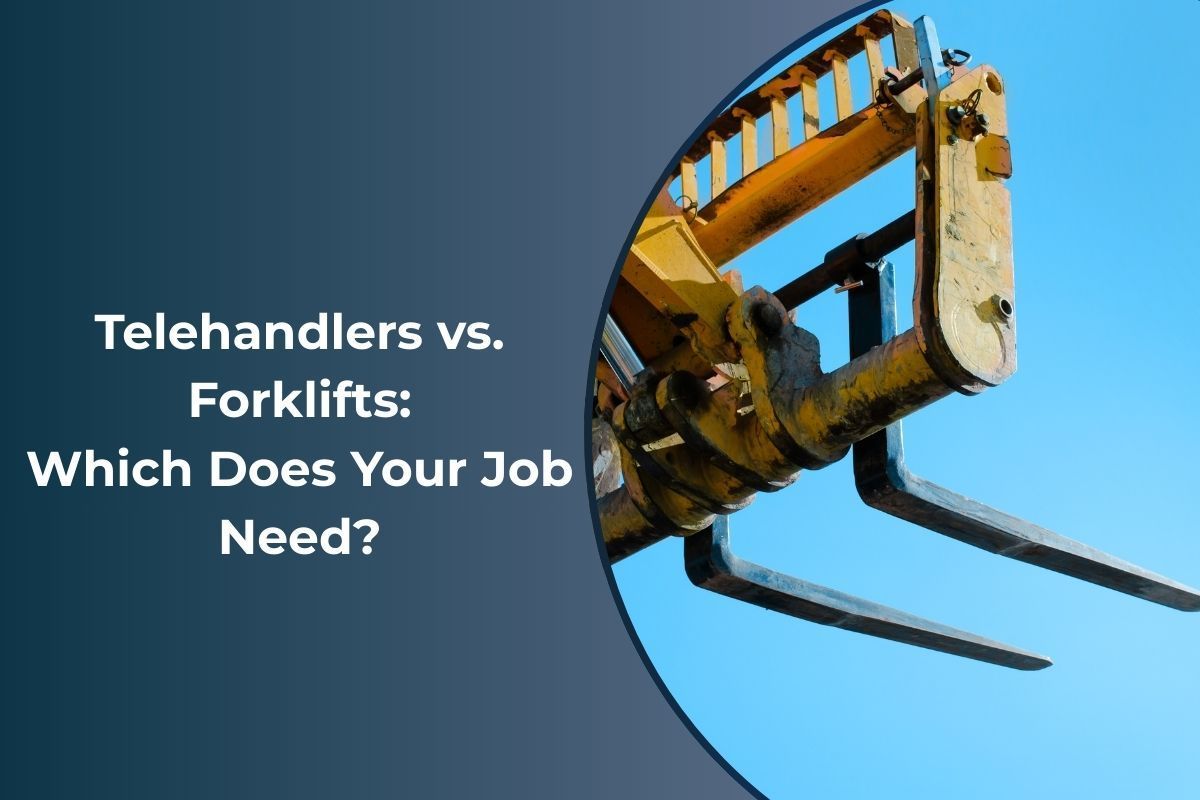
A telehandler should be used on a construction site when materials must be lifted to upper levels, extended forward into position, or transported across rough terrain.
It is commonly required on multi-storey builds, roofing projects, and large commercial sites where material movement directly affects productivity.
Not every project requires a telehandler. This guide explains when it makes sense and when simpler equipment may be sufficient.
What a Telehandler Is Designed to Do on a Job Site
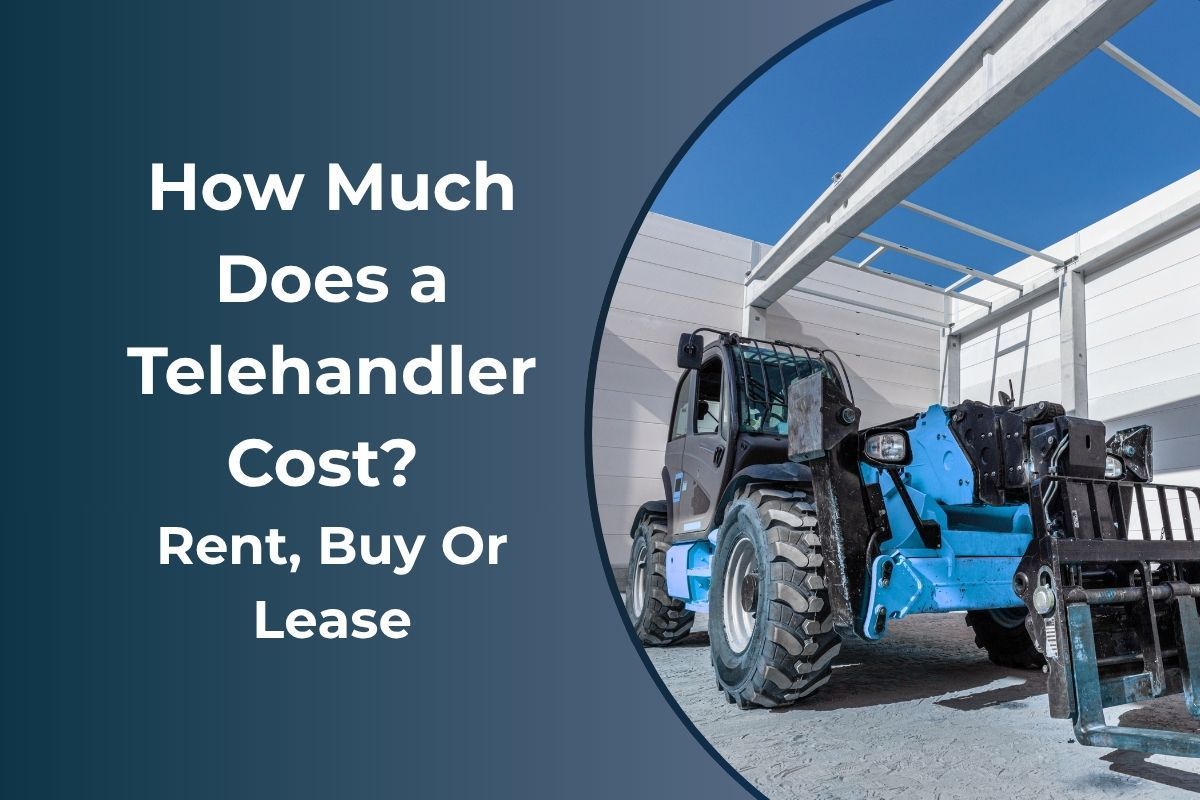
A telehandler is a construction lifting machine that combines vertical lift capability with extended forward reach. Unlike a standard forklift, it can raise heavy materials higher and position them further outward, which is essential on active construction sites.
A telehandler is typically required when a project involves:
- Lifting heavy materials to upper levels
- Placing pallets onto decks or rooftops
- Moving loads across uneven or undeveloped terrain
- Supporting framing, roofing, or large commercial builds
Telehandlers are designed for outdoor job sites. Larger tires, increased ground clearance, and extended reach make them suitable for rough terrain where warehouse-style equipment is not practical.
Lift height, weight capacity, and forward reach requirements should be assessed early in project planning. Determining whether a telehandler is necessary should come before selecting the appropriate size.
When a Telehandler Makes More Sense Than a Forklift
Forklifts are designed for controlled environments. They perform best on level, paved surfaces such as warehouses and finished yards.
A telehandler becomes the better option when:
- The ground is uneven, muddy, or snow-covered
- Work is taking place outdoors on an active construction site
- Materials must be placed above the first level
- Forward reach is required in addition to vertical lift
For example, lifting a pallet of lumber onto a second-floor deck requires both height and forward extension. A telehandler allows materials to be positioned directly where crews are working instead of being staged below and moved manually.
When a project involves rough terrain and elevated placement, a standard forklift often becomes restrictive.
For a detailed comparison between forklifts and telehandlers, see our breakdown here.
Framing and Multi-Storey Builds
A telehandler is commonly used on framing and multi-storey construction projects where materials must be lifted repeatedly to upper levels. When crews are working on second or third floors, efficient material placement becomes critical to keeping the build on schedule.
On multi-storey residential or commercial sites, telehandlers are typically used for:
- Lifting bundles of lumber to upper floors
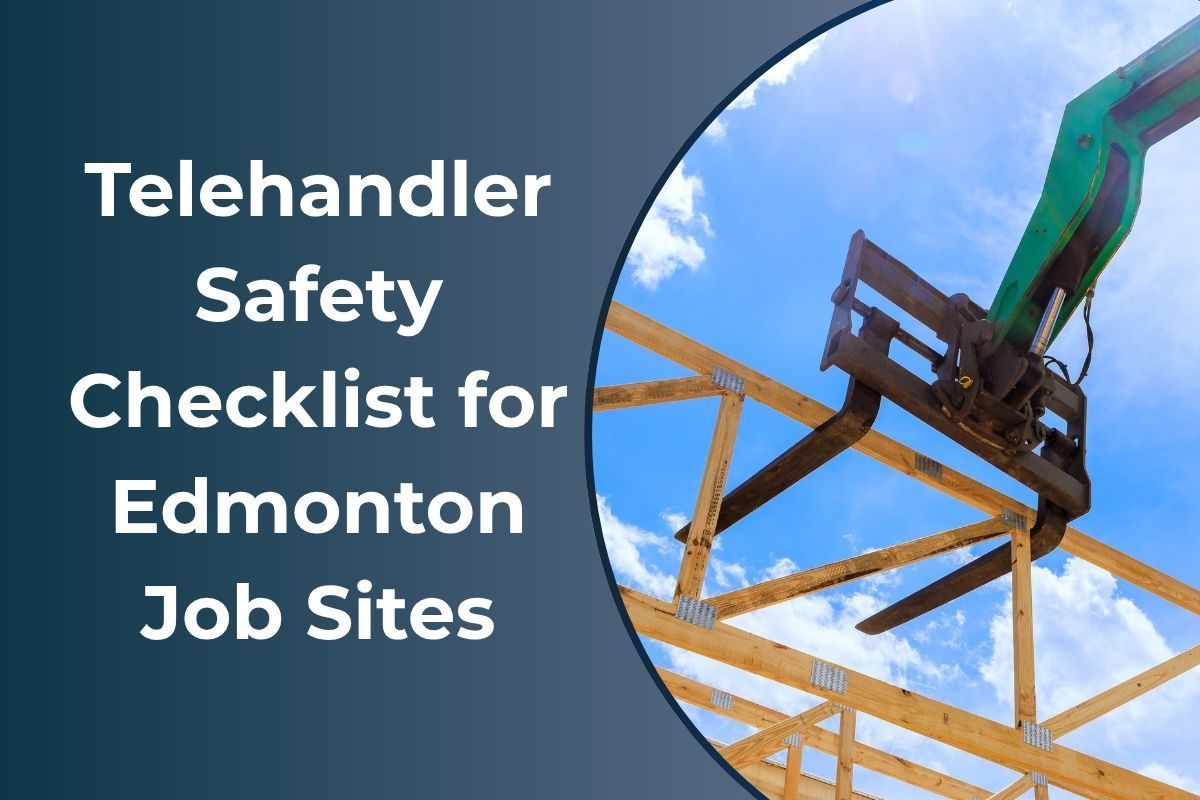
- Raising trusses into position
- Staging pallets of materials at height
Manually carrying materials upward slows production and increases physical strain on crews. A telehandler reduces repetitive handling and allows materials to be placed directly where installation is taking place.
On larger builds, this also improves overall site flow. Materials can be delivered to active work areas instead of staged on the ground and moved multiple times.
Roofing Projects
Roofing projects often require a telehandler when large volumes of materials must be lifted directly onto the roof before installation begins. Shingles, plywood, insulation, and other roofing materials are heavy, bulky, and inefficient to transport manually to elevated surfaces.
On roofing sites, a telehandler is typically used to:
- Lift pallets of materials directly onto the roof
- Reduce repetitive manual handling
- Shorten setup time before installation begins
This becomes especially valuable on larger residential builds and commercial roofing projects where material volume is higher and staging efficiency directly affects project timelines.
Large Commercial and Industrial Sites
On large commercial and industrial construction sites, materials are constantly being moved across wide areas and lifted into position at height. In these conditions, a telehandler becomes an efficient solution for maintaining site flow and supporting multiple trades.
On larger sites, telehandlers are used to:
- Move materials across expansive job areas
- Navigate uneven or partially developed ground
- Support multiple trades working at different elevations
Their combination of lift height and forward reach allows materials to be placed precisely where they are needed. For certain tasks, this can reduce site congestion compared to larger lifting equipment and improve overall job flow. Different attachments may be required depending on the task.
Winter Construction and Rough Terrain Conditions
Winter conditions and unstable ground are clear indicators that a telehandler may be required on a construction site. Snow accumulation, mud, and seasonal thaw cycles can significantly reduce traction and stability on active job sites.
Standard forklifts are built for level, paved surfaces and often struggle when terrain becomes uneven or soft. Telehandlers provide improved ground clearance and stability, making them better suited for rough outdoor conditions.
When construction continues through fall or winter in Edmonton, selecting equipment that can handle changing terrain helps prevent delays and unnecessary site disruptions.
Situations Where You May Not Need a Telehandler
A telehandler is not necessary on every construction project. Jobs that involve minimal lift height, level surfaces, or indoor work environments may not justify the added reach and terrain capability.
You may not need a telehandler if:
- The project is fully indoors
- The surface is paved and level
- Lift height requirements are minimal
- Materials are being staged at ground level only
Small renovation projects and interior-only work are often handled efficiently with simpler equipment. Evaluating the true lift and terrain demands of your project will help determine whether a telehandler is necessary.
Key Factors to Consider Before Renting
Several practical factors determine whether a telehandler is appropriate for your project and what size is required.
Before renting, assess the following:
Lift Height
How high do materials need to be placed?
Weight Capacity
What is the heaviest load being lifted?
Reach Requirements
Do materials need to be extended forward onto decks, rooftops, or upper floors?
Site Conditions
Is the ground stable, paved, muddy, or snow-covered?
These considerations affect both equipment selection and job site efficiency. Reviewing lift and terrain requirements in advance helps prevent delays once the machine arrives on site.
Final Thoughts
Choosing the right equipment on a construction site comes down to lift height, forward reach, and terrain conditions. When materials must be placed at elevation and job site surfaces are uneven or undeveloped, a telehandler provides the capability required to keep work progressing efficiently.
Reviewing your project requirements early helps prevent delays and unnecessary material handling once construction begins.
If you are planning a build in Edmonton and need guidance on selecting the right telehandler for your job site, the Mandel Rentals team can help you determine the appropriate machine through our telehandler rentals in Edmonton.
Mandel Rentals Resources