Boom Lift Platform Capacity & Accessories: What to Know Before You Book

A boom lift platform has a fixed rated capacity that covers everything on the deck: the operator, a second person if applicable, tools, and any accessories loaded on.
That limit does not flex based on height, model, or job type. Exceeding it is an OHS violation and a stability risk at full extension. This guide covers the rated capacity for each Mandel boom lift, which accessories mount to the platform, and how to calculate your effective payload before you book.
What Counts Toward Boom Lift Platform Capacity?
The quick answer is, everything on the deck counts. Both occupants' body weight, tools and power equipment, materials staged at height, and any accessories mounted to the platform frame all apply against the rated limit.
Most contractors know not to overload a platform but underestimate how fast the numbers add up. Two operators at average weight land around 350-380 lbs before a single tool comes up. Add a drill, a tool bag, and a coil of wire and you are already at 430-450 lbs on a 500 lb platform.
Before booking, confirm who is going up, what they are carrying, and whether any accessories will be mounted. That calculation tells you whether the job fits one machine or needs a telehandler running materials in parallel.
For harness and PPE requirements under Alberta OHS, see the Boom Lift Safety Checklist.
Platform Capacity by Model: Mandel Boom Lift Fleet
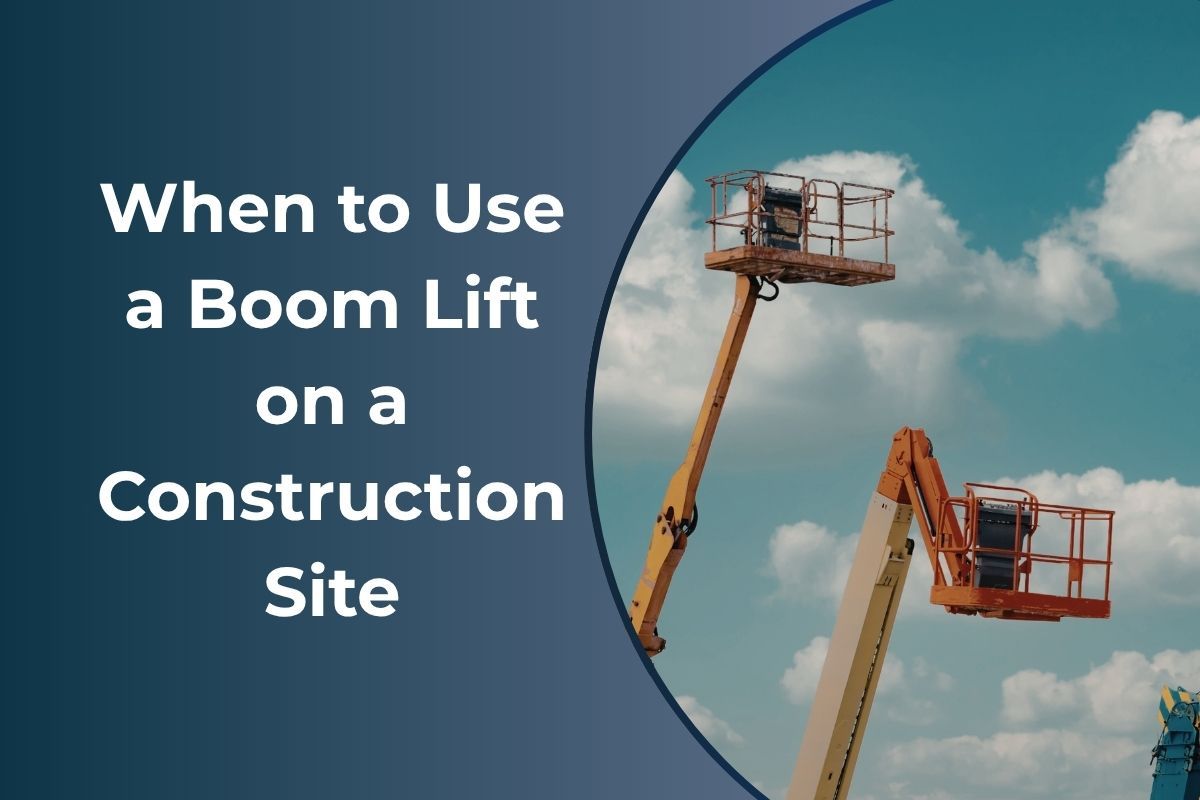
All three Mandel boom lifts share the same rated platform capacity despite different working heights. What changes between models is how high and far the platform can reach, not how much it can hold.
| Model | Type | Platform Capacity | Max Working Height | Max Occupancy |
|---|---|---|---|---|
| Genie Z-60/34 | Articulating | 500 lbs | 66 ft | 2 persons |
| Genie S-65 | Telescopic | 500 lbs | 71 ft | 2 persons |
| Genie S-85 | Telescopic | 500 lbs | 91 ft | 2 persons |
The 500 lb limit applies at every point of extension. A crew at the top of the S-85 at 91 ft is held to the same ceiling as one working at 30 ft on the Z-60/34. Working height does not affect the rated platform load.
If your job requires moving materials vertically at the same time as personnel access, run a telehandler for the materials and keep the boom lift for the crew. See
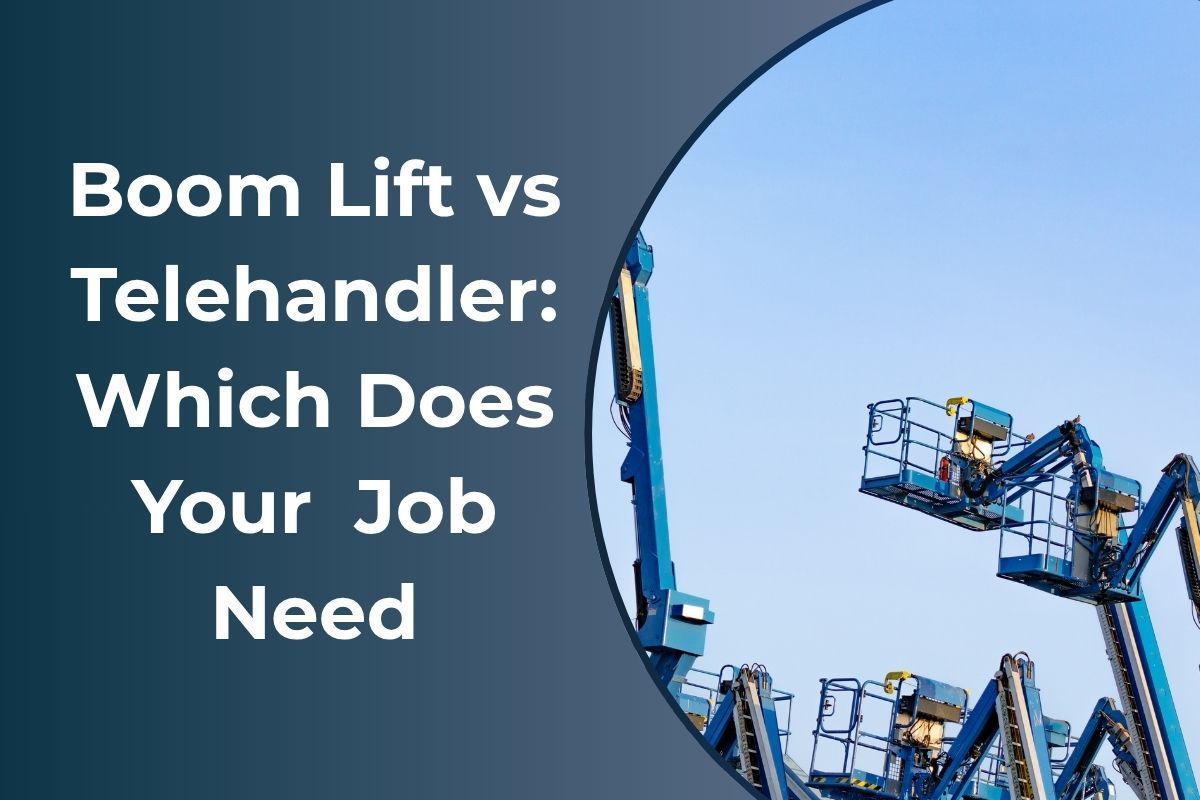
Boom Lift vs Telehandler
for a breakdown of which machine handles which task.
Boom Lift Platform Accessories
Platform accessories mount to the frame of the basket and extend what the crew can do at height. Each one adds weight that counts against the 500 lb rated capacity.
Material Trays
Material trays mount to the platform rail and hold small supplies at deck level: fasteners, caulk tubes, fittings, tape. Keeps the work area organized without staging materials on the floor. Common on electrical, mechanical, and HVAC runs where the crew is spending a full day on the same lift. Tray weight is typically light, around 10-20 lbs, but it still counts.
Pipe Cradles
Pipe cradles secure conduit or pipe runs against the boom or platform frame during vertical pulls. Useful for a single operator pulling long runs without a second person holding material at height. If you plan to use one, confirm mounting compatibility with your lift model beforehand.
Tool Hangers and Hook Bars
Rail-mounted hooks and bars hold power tools, extension cords, and hose reels off the platform floor. Reduces trip hazard and keeps the deck clear when two operators are working in a compact space. Weight is minimal but should be factored into the payload calculation.
Fly Jib (Model-Dependent)
Some telescopic boom lifts support a fly jib at the head of the boom, adding an articulated reach point beyond what the main boom covers. Not standard across all Genie models. If your site requires positioning over an obstacle on a telescopic machine, confirm jib availability with the manufacturer or rental provider before planning around it.
If reaching over obstacles is the core requirement for the job, the Z-60/34 is the cleaner answer. See Telescopic vs Articulating Boom Lifts for the full comparison.
How Accessories Affect Your Effective Payload
Accessories reduce the payload available for people and tools. The math is straightforward but worth running before the machine arrives on site.
| Item | Estimated Weight |
|---|---|
| Two operators (average) | 340-400 lbs |
| Tool bag and power tools | 30-60 lbs |
| Material tray (mounted) | 10-20 lbs |
| Remaining payload | 20-120 lbs |
Most two-person setups are operating near capacity before any materials hit the deck. If the job involves staging supplies at height, keep those off the platform and coordinate a telehandler to run materials to each level. The boom lift stays for the crew.
Single-operator setups have more room. One person at 200 lbs leaves 300 lbs of payload for tools and accessories, which covers most trade work without issue.
What to Confirm Before You Book
- Combined weight of everyone going on the platform.
- Tools and gear each person will carry up.
- Accessories needed and compatibility with the specific model.
- Whether materials also need to move vertically. That is a telehandler task, not a boom lift task.
- Working height the job actually requires. Not every site needs the S-85 if the S-65 covers the height.
For help matching model to site requirements, see Choosing the Right Boom Lift.
If your project requires elevated personnel access in Edmonton, see our Boom Lift Rentals page for current availability, or review the spec pages directly: Genie S-65, Genie S-85, Genie Z-60/34. Call 780-699-9433 if you need help sizing the job.
Mandel Rentals Resources