Boom Lift vs Telehandler: Which Does Your Edmonton Job Need?
A boom lift is built to lift people. A telehandler is built to lift materials. That single difference decides which machine your Edmonton job needs, and using the wrong one slows work, wastes rental days, and creates safety issues.
Most jobs only need one of them. Some need both. This guide covers when each machine is the right call, where contractors commonly get it wrong, and how to decide before you pick up the phone.
Boom Lift or Telehandler? The Quick Answer
If your crew needs to work at height, rent a boom lift. If you need to place materials at height, rent a telehandler.
Boom lifts carry workers and their tools. Telehandlers carry lumber, steel, shingles, pallets, and anything else that needs to go up and forward on a job site. Most Edmonton projects only need one. Some need both running at the same time.
What a Boom Lift Does on a Job Site
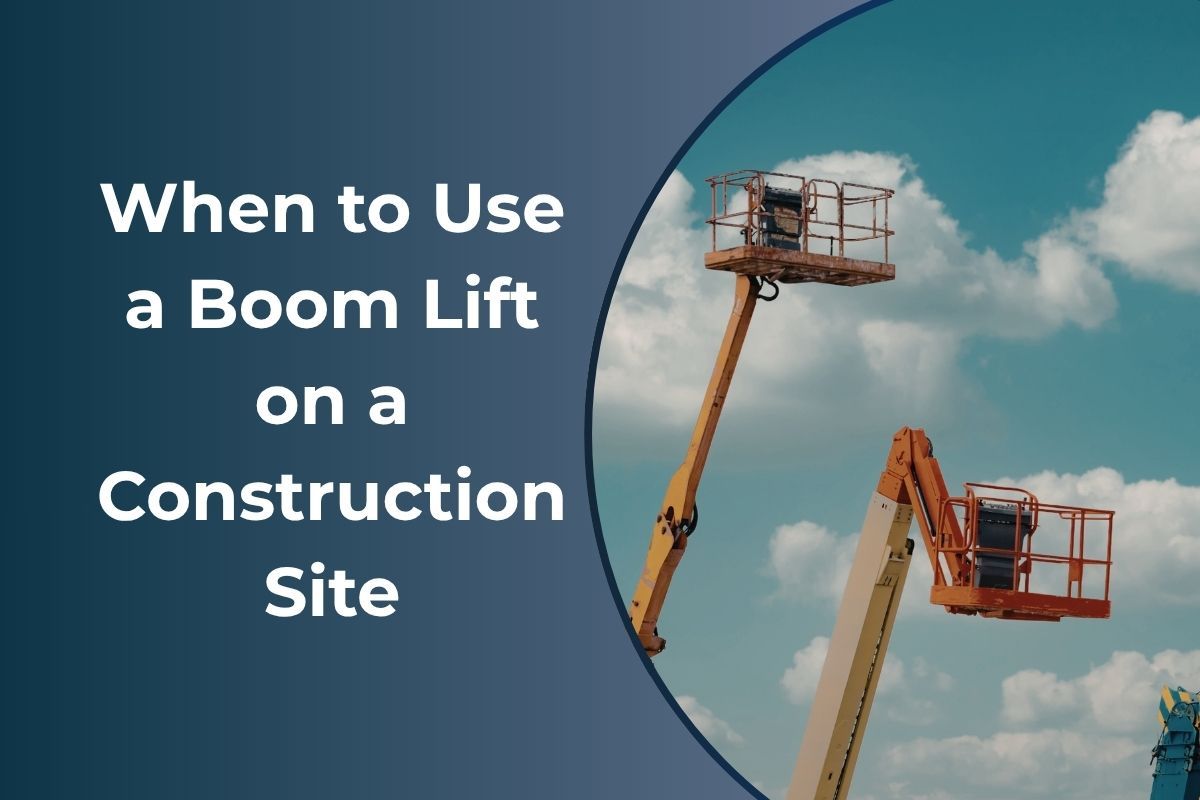
A boom lift gets workers into an elevated work position safely and keeps them there while they work. The platform holds people, tools, and small supplies. That's it.
Boom lifts shine when the task is hands-on and requires the worker to stay in place for minutes or hours at a time. Think painting, welding, inspections, cable pulls, sign installs, tree work, or anything that involves the person doing the work at height.
There are two main styles:
- Telescopic boom lifts extend straight out for maximum reach in open areas
- Articulating boom lifts bend at the joint to work around obstacles and access tight spots
Both lift people. Neither is built to move significant material weight.
What a Telehandler Does on a Job Site
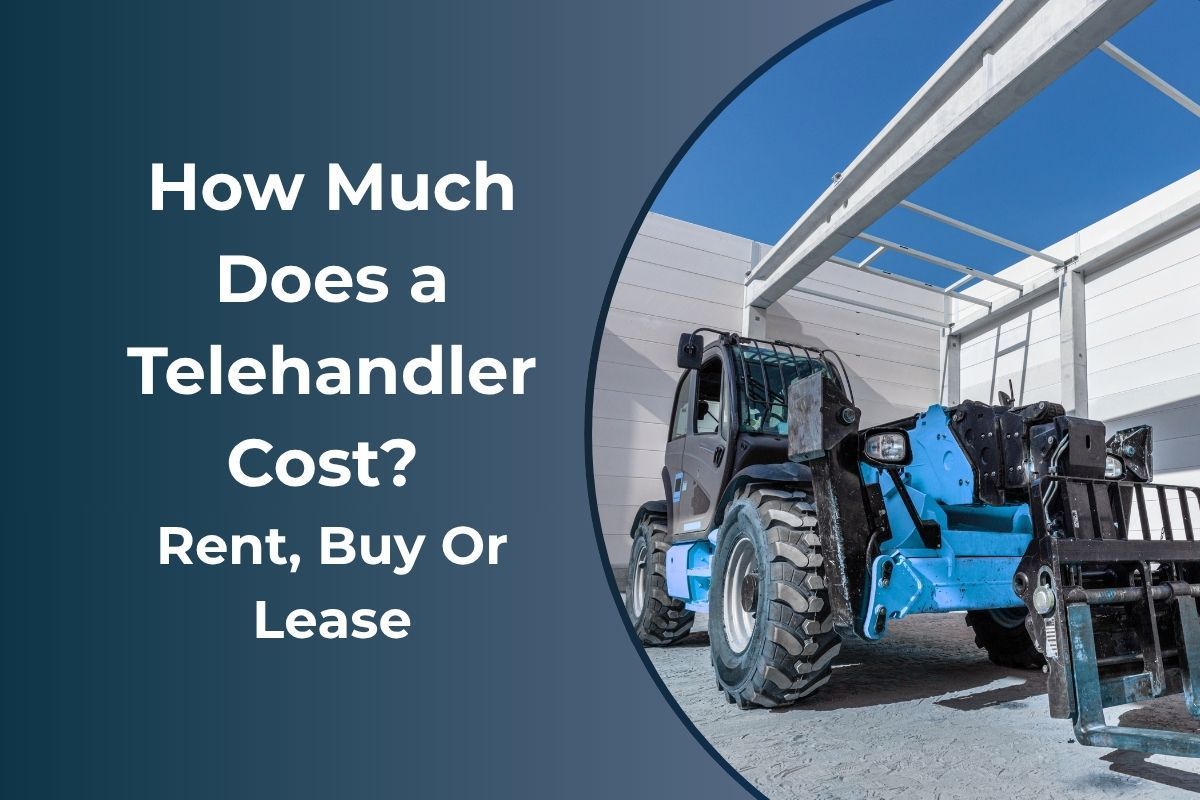
A telehandler is a rough-terrain materials machine. It uses a telescoping boom with forks, a bucket, or a specialty attachment to lift thousands of pounds to height and place them forward of the machine.
Telehandlers are built for the lift-and-drop cycle. Pick up a pallet of shingles, extend the boom to the second storey, set it down, retract, go get the next load. Fast, repeatable, and built to do it all day on unfinished ground.
Telehandlers are not built for workers to ride the boom. Some models accept approved man baskets for occasional elevated work, but if personnel access is the primary task, a boom lift is the correct tool.
Boom Lift vs Telehandler: Key Differences
| Factor | Boom Lift | Telehandler |
|---|---|---|
| Primary purpose | Lift people | Lift materials |
| Load | 500 to 1,000 lb (platform + workers) | 5,000 to 12,000 lb |
| Reach style | Up and out, with or without obstacles | Up and forward, straight line |
| Best terrain | Mostly outdoor, rough terrain capable | Rough terrain, unfinished ground |
| Attachments | Platform only | Forks, buckets, truss booms, grapples |
| Typical job | Hands-on work at height | Material delivery and placement |
Boom Lift or Telehandler: Real Edmonton Job Scenarios
Here's how it plays out on real Edmonton projects.
Framing a Two-Storey Residential Build
Telehandler. Framers need lumber packs, trusses, and sheathing lifted to the second floor repeatedly throughout the day. A boom lift has no meaningful material capacity.
Installing Commercial Signage or Lighting
Boom lift. The work is hands-on at height, often requiring the installer to stay elevated for 30 minutes or more per sign. Articulating models handle facades and overhangs; telescopic models handle open parking lots.
Roofing Supply Delivery to an Upper Floor
Telehandler. Bundles of shingles, rolls of underlayment, and ventilation units get staged on the roof. A telehandler with forks does this in minutes per load.
HVAC or Mechanical Work on a Commercial Roof
Potentially both. The unit itself gets lifted into place by a telehandler or crane. The technicians servicing it work from a boom lift. These jobs often run both machines on site at once.
Exterior Siding, Painting, or Window Work
Boom lift. Steady elevated work in one position. Articulating models are usually the right call for residential because they bend over landscaping, roofs, and eaves.
Jobs That Need Both a Boom Lift and a Telehandler
Some jobs run both machines at the same time. Common examples in Edmonton:
- Commercial builds during exterior close-in
- Rooftop HVAC or solar installs
- Steel erection on warehouse and industrial projects
- Large sign replacements that require both the old unit removed and the new one installed
On these jobs, the telehandler handles material and the boom lift handles people. Running one machine for both tasks usually slows the job down and creates safety issues.
How to Pick the Right Machine for Your Job
Here’s some answers to get you most of the way there.
What are you lifting: people or materials?
That's the main fork in the road. Everything else is detail. If the answer is "people doing hands-on work," you need a boom lift. If the answer is "materials being placed," you need a telehandler.
How long does the worker need to stay at height?
Minutes to hours of hands-on work means boom lift. Seconds per load for lift-and-drop cycles means telehandler.
Can a Boom Lift Move Materials?
Only small ones. Most boom lift platforms hold 500 to 1,000 lb, which covers workers, tools, and light supplies. They are not built for construction material loads. If you're moving bundles of lumber or pallets of shingles, you need a telehandler.
Can a Telehandler Be Used for Work at Height?
In limited cases. Some telehandlers accept approved work platforms (man baskets) for short, occasional elevated work. This is not a replacement for a boom lift. Boom lift baskets are designed for hands-on work and have controls in the platform itself. Man baskets on telehandlers require ground communication with the operator, which slows down continuous work and introduces coordination risk.
If hands-on elevated work is the main task, rent a boom lift.
Still Not Sure Which You Need?
If your job involves a mix of elevated work and material placement, it's worth a quick call to talk through the site before booking. A five-minute conversation about what you're lifting, how high, and how often usually points to the right machine, or confirms that you need both.
You can explore our Boom Lift Rentals and Telehandler Rentals to see what's in the fleet, or call 780-699-9433 and we'll help you figure out what the job needs.
Mandel Rentals Resources