When to Use a Boom Lift on a Construction Site in Edmonton
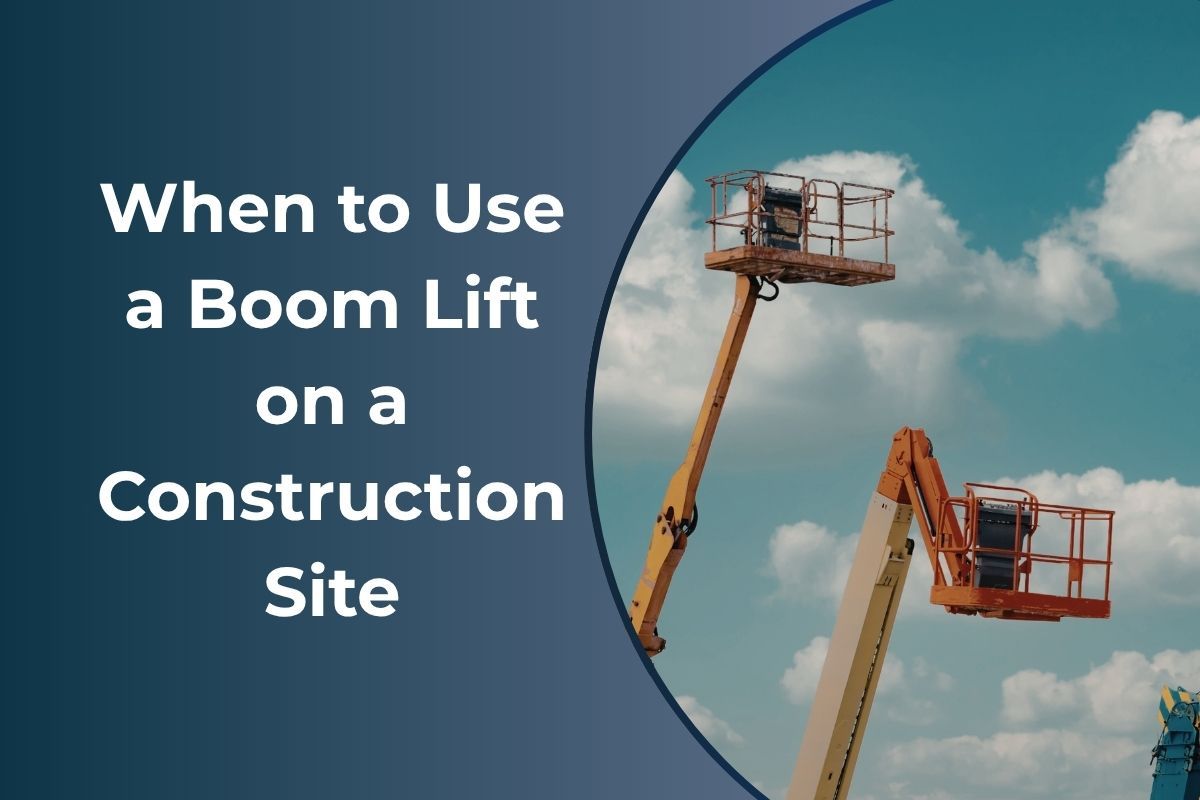
A boom lift is the right piece of equipment when workers need to reach elevated positions on a job site and a ladder or scaffold is not a practical option.
It is designed to lift personnel, not materials. That distinction drives every decision in this guide: which tasks call for a boom lift, which site conditions it handles, and a few situations where it is not the right call.
What a Boom Lift Is Designed to Do on a Job Site
A boom lift positions workers at height so they can perform hands-on tasks. The platform holds the operator and their tools. The machine handles the elevation and reach.
A boom lift is typically required when a project involves:
- Overhead mechanical, electrical, or HVAC work at height
- Exterior cladding, glazing, or facade finishing on multi-storey buildings
- Steel connection and structural work at elevation
- Rooftop edge work, parapet access, or maintenance on tall structures
- Painting or inspection tasks where the worker needs to be mobile at height
The core distinction from a telehandler: a boom lift moves people, a telehandler moves materials. If your crew needs to work at height, not just place something there, a boom lift is what you need.
Job Types Where a Boom Lift Makes Sense
Exterior Finishing and Facade Work
Cladding panels, glazing, siding, and trim all require workers to be positioned at a fixed height with both hands free. Scaffolding handles some of this, but a boom lift is faster to deploy and easier to reposition between elevations on an active construction timeline.
If the facade involves reaching over a parapet or working around an obstacle, an articulating lift is usually the better choice over a telescopic.
Overhead Mechanical and Electrical Work
HVAC duct runs, sprinkler systems, conduit, lighting, and structural connections all happen at height. A boom lift keeps the worker stable and lets them reposition along a run without resetting a ladder or rebuilding a scaffold section. On commercial builds that productivity difference compounds over a full day.
Multi-Storey Commercial Construction
On larger commercial builds, boom lifts typically run alongside telehandlers. Once materials are placed at each level, boom lifts take over for the trade work that follows: steel connections, curtainwall installation, rooftop mechanical near parapet edges.
In Edmonton, commercial timelines stretch into the shoulder seasons. Cold weather affects platform load limits and hydraulic performance. Make sure the machine is rated for the conditions, not just the height.
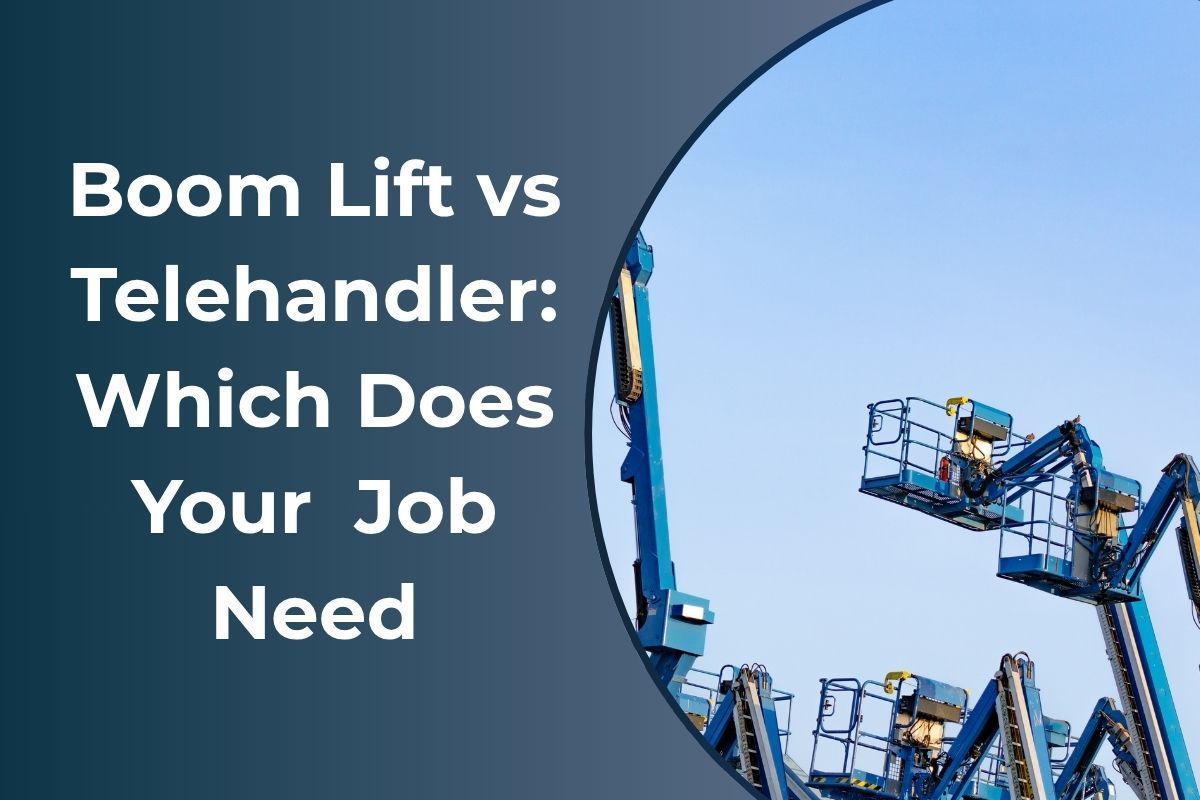
Boom Lift vs. Telehandler: The Short Version
If the job involves placing materials at height, a telehandler is the right machine. If the job involves putting workers at height to do hands-on work, that is a boom lift. On many Edmonton job sites, both are running at the same time because they are doing different things.
For a full breakdown of which machine fits which scenario, see our
Boom Lift vs. Telehandler comparison.
Telescopic vs. Articulating: Which Type Do You Need?
Most contractors know they need a boom lift before they know which type. Open site, maximum reach needed: telescopic. Obstructed access or need to reach over something: articulating.
| Factor | Telescopic (Stick) | Articulating (Knuckle) |
|---|---|---|
| Best use | Open sites, max height needed | Obstructed access, confined work areas |
| Mandel models | Genie S-65, Genie S-85 | Genie Z-60/34 |
| Max working height | 91 ft (S-85), 71 ft (S-65) | 66 ft (Z-60/34) |
| Reach over obstacles | No | Yes |
For a detailed comparison of both types with Edmonton-specific use cases, see our Telescopic vs. Articulating Boom Lifts breakdown.
When a Boom Lift Is Not the Right Call
A boom lift is not necessary on every elevated job. You likely do not need one if:
- The work is below 20 feet and a scaffold or ladder is practical
- The task is material placement only, not personnel access
- The site is fully indoors with ceilings too low for the machine to navigate
- Ground conditions will not support the machine's weight or outrigger footprint
- The job is short enough that setup and breakdown time exceeds the actual lift time
Over-specifying equipment adds cost and site congestion. If the height, duration, and access conditions push past what ground equipment handles safely, a boom lift earns its place. If they do not, it probably does not.
Key Factors to Confirm Before You Book
Working Height Required
Identify the maximum height your crew needs to reach, not just stand at. Working height is platform height plus roughly six feet. The Genie S-65 delivers 71 ft working height, the S-85 reaches 91 ft, and the Z-60/34 reaches 66 ft. Match the machine to the actual height needed with some margin built in.
Telescopic or Articulating
Clear approach with no overhead obstructions: telescopic. Confined footprint, obstacles to reach over, or irregular access: articulating. This is the first decision, and it drives everything else.
Ground and Site Conditions
Boom lifts need firm, reasonably level ground. Soft or sloped terrain affects stability. In Edmonton, spring frost break is a real factor. Confirm ground conditions before delivery, especially on partially developed sites.
Indoor or Outdoor
All three Mandel boom lifts are built for outdoor use. For interior work, confirm ceiling clearance and floor load capacity before booking. Not every boom lift clears a standard commercial door opening in working position.
Final Thoughts
A boom lift belongs on a job site when workers need elevated access and the alternative costs more time than the rental. Confirm working height, machine type, and site conditions before delivery. Getting those details right prevents delays once the machine arrives.
If you are planning a project in Edmonton and need help choosing the right machine, see our Boom Lift Rentals page or call 780-699-9433.
Mandel Rentals Resources